
Scuba Certification Cost 2026: What You'll Actually Pay
Table of Contents
- What Goes Into Scuba Certification Cost
- Scuba Certification Course Inclusions: What's Actually Covered
- Scuba Diving Course Extra Costs Beyond the Advertised Price
- How Long Does Scuba Certification Take and Why Duration Affects Cost
- Scuba Certification Cost Comparison: Local vs Destination Training
- Calculating Real Value: What You Should Expect to Receive
- The Cost of Maintaining Your Certification and Continuing to Dive
- Frequently Asked Questions
Last Updated: October 11, 2026
What Goes Into Scuba Certification Cost
Understanding scuba certification cost requires looking beyond the advertised price. The real cost involves multiple components: training fees, equipment, travel, and ongoing membership. Many divers are surprised by what sits outside the headline figure.
Understanding each component separately ensures you can compare courses fairly and identify genuine value for money.
Scuba Certification Course Inclusions: What's Actually Covered
Classroom and theory components
Classroom instruction covers diving physics, safety protocols, equipment function, and emergency procedures. Most courses deliver theory in person or online through eLearning platforms.
Blended learning allows students to complete theory online, then attend in-person sessions for assessment. Confirm whether eLearning access is included in your course fee or charged separately.
Confined-water pool training
Confined-water training in a pool allows you to practise mask clearing, buoyancy management, and emergency response before open water. Most courses require at least one or two sessions.
Pool sessions included vary: some packages offer two, others four. More sessions mean greater confidence and safety before open water.
Open-water dives and certification
Most recreational courses require a minimum of four open-water dives over two to four days, where you demonstrate skills and earn your certification card.
Local dives cost less than destination sites like Cairns. Destination diving adds travel, accommodation, and meals, often doubling total expense.
Confirm whether boat fees, dive master services, and weights are included or charged separately per dive.
Scuba Diving Course Extra Costs Beyond the Advertised Price
The advertised price rarely reflects the final bill. Understanding which costs are bundled and which are separate is essential to calculating your true out-of-pocket spend.
Equipment rental and purchases
Most beginners rent equipment (wetsuit, BCD, regulator, tank, weights) per dive or as part of a package.
Ask explicitly: "Are equipment rentals included in the advertised price, or charged separately per dive?" Separate charges per dive compound quickly over four dives.
Many divers eventually purchase personal gear. Budget for essential items (mask, fins, snorkel, wetsuit) if you plan to dive regularly after certification.
Certification fees and membership
Your certification card proves your qualification worldwide. Some packages include this fee; others charge it separately.
Membership with a diving club or training organisation often includes insurance and community discounts, representing an annual cost worth factoring in.
Travel and accommodation for destination courses
Destination training at Cairns or Townsville adds travel, accommodation, and meals, easily doubling or tripling total spending compared to local training.
Creating your itemised cost breakdown
To calculate your real cost, list each component separately:
| Cost Category | Included in Course Fee? | Estimated Cost if Separate | Your Notes |
|---|---|---|---|
| Course tuition (theory + confined water) | Confirm with provider | , | |
| Open-water dives (4 dives minimum) | Confirm per-dive or bundled | AUD $50-100 per dive if separate | |
| Equipment rental (wetsuit, BCD, regulator, tank, weights) | Confirm included or per-dive | AUD $25-50 per dive if separate | |
| Certification card and processing | Confirm included | AUD $50-100 if separate | |
| Training materials (manual, eLearning access) | Confirm included | AUD $30-80 if separate | |
| Boat fees and dive master services | Confirm included in open-water dives | May be bundled or separate | |
| Travel to training location | N/A for local training | Add flights, fuel, or transport | |
| Accommodation (if destination training) | Not typically included | AUD $80-200+ per night | |
| Meals (if destination training) | Not typically included | AUD $50-100 per day | |
| Estimated Total |
Once you've completed this table for two or three courses you're considering, the true cost comparison becomes clear. A course advertised at a lower headline price may actually cost more once all components are added. Conversely, a higher-advertised price may be genuinely inclusive, delivering better value.
Questions to ask before enrolling
When contacting a training provider, use this checklist to ensure you understand what's included:
- Is the advertised price the complete cost, or are there additional fees for certification, materials, or boat dives?
- Are equipment rentals included in the course fee, or charged separately per dive?
- How many confined-water sessions are included, and are they all in the advertised price?
- Are all four open-water dives included, or are some charged as extras?
- Is the certification card fee included, or billed separately?
- If training is at a destination, what accommodation and meal options are available, and what do they cost?
- Are there any membership or insurance fees due at the time of enrolment?
This transparency ensures you're comparing apples with apples and can confidently budget for your certification.
How Long Does Scuba Certification Take and Why Duration Affects Cost
Most recreational scuba diving certification courses take three to four days. Some providers offer extended weekend courses, which may cost less per day but require more total time.
Longer courses mean more instructor time and confined-water sessions. A four-day course typically includes more training than a three-day version, justifying a higher price if you receive additional instruction.
Scuba Certification Cost Comparison: Local vs Destination Training
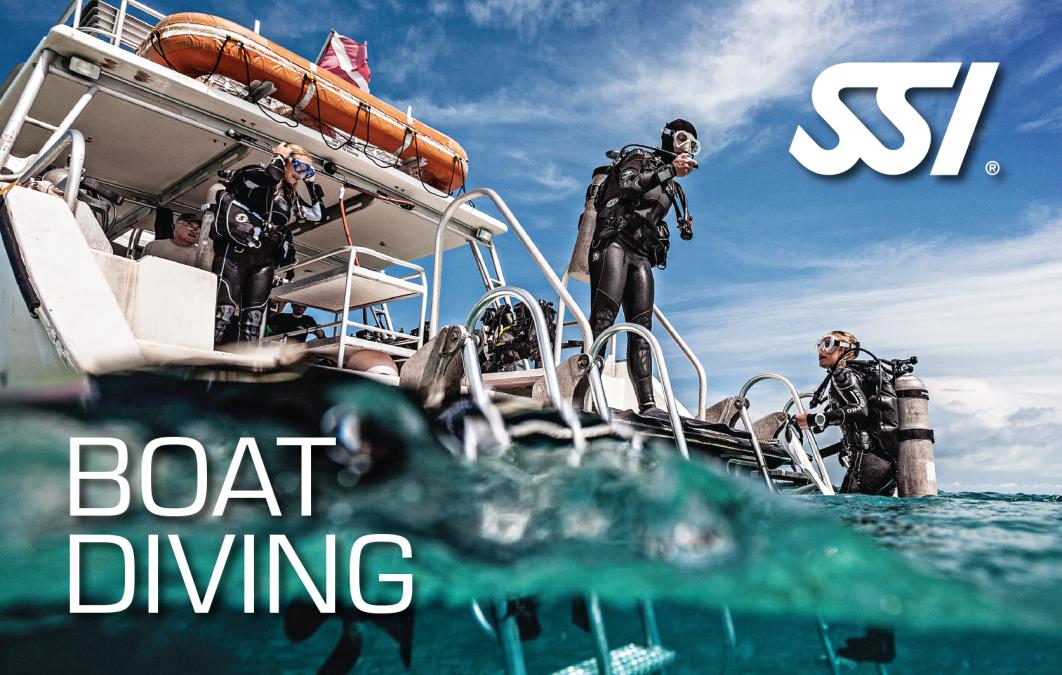
Local training on the Central Coast avoids travel costs and allows flexible scheduling over weekends.
Destination training offers warmer water and better visibility, but adds flights, accommodation, and meals. A lower daily rate may cost significantly more overall.
Calculating Real Value: What You Should Expect to Receive
The lowest-cost course is not always the best value. Evaluate instructor qualifications and course structure to determine whether you're receiving what you pay for.
Instructor qualifications and class size
Instructor qualifications and class size directly affect learning quality. Experienced instructors with additional certifications adapt teaching to individual needs more effectively.
When evaluating an instructor, ask: How many years of experience do you have? What certifications beyond basic instructor rating do you hold? How many students per course? What's your student-to-instructor ratio on open-water dives? Small class sizes (3-4 students per instructor) allow more one-on-one feedback than larger groups.
Safety protocols and emergency training
Comprehensive safety training is non-negotiable. Your instructor should cover emergency procedures in detail: mask-clearing drills, regulator recovery, controlled emergency ascents, and buddy rescue techniques.
Ask instructors: How do you handle anxious students? What's your procedure if a diver panics? How do you manage group dynamics to ensure safety? What's your approach to weight and buoyancy? Do you conduct a pre-dive safety briefing before every open-water dive? Vague or evasive answers are red flags.
Emergency training is hands-on practice in controlled conditions. If a course advertises a low price but allocates minimal pool time to safety drills, that's a cost-cutting measure that compromises your preparation.
Post-certification support and progression
Good training providers offer ongoing support: refresher courses, guided local dives, and clear pathways to advanced certifications. This support matters if you want to progress or haven't dived in several months.
Ask: Do you offer refresher dives? Are guided group dives available? What's the pathway to advanced certifications? Do you service and maintain equipment? Is there a member discount or loyalty programme? These factors add long-term value.
The benefit-over-cost checklist
Use this table to compare two or three courses side by side and calculate whether the lower-priced option truly delivers better value:
| Factor | Course A | Course B | Course C | Why It Matters |
|---|---|---|---|---|
| Advertised price | Starting point only | |||
| Class size (students per instructor) | Affects individual attention | |||
| Instructor years of experience | Indicates teaching quality | |||
| Instructor additional certifications | Shows professional development | |||
| Confined-water sessions included | More sessions = more practice | |||
| Open-water dives included | Minimum is 4; more is better | |||
| Equipment rental included? | If separate, add cost per dive | |||
| Certification card included? | If separate, add AUD $50-100 | |||
| Training materials included? | If separate, add AUD $30-80 | |||
| Post-certification guided dives offered? | Adds long-term value | |||
| Refresher course available? | Useful if you take a break | |||
| Calculated Total Cost | Add all separate fees to advertised price | |||
| Value Rating (1-5 stars) | Based on inclusions, instructor quality, and support |
Once you've completed this comparison, the best value becomes clear. A course with larger class sizes, fewer pool sessions, and no post-certification support may cost more in hidden fees and deliver less learning. Conversely, a higher-priced course with small classes, experienced instructors, and ongoing support often represents better value for your safety and long-term diving enjoyment.
Red flags that suggest poor value
Red flags include: advertised price significantly lower than competitors (may indicate large classes or missing components); reluctance to answer questions about instructor qualifications or safety; pressure to enrol immediately; no mention of post-certification support; instructor-to-student ratios higher than 1:4 on open-water dives.
By using this framework, you can confidently identify courses that deliver genuine value, where the cost reflects the quality of instruction, the depth of safety training, and the ongoing support you'll receive as a diver.
The Cost of Maintaining Your Certification and Continuing to Dive
Certification doesn't expire, but your skills do. If you haven't dived in several months, a refresher course helps you regain confidence. These typically cost less than full certification but represent an ongoing investment if you take extended breaks from diving.
Regular diving requires ongoing costs: boat dive fees, equipment maintenance, and occasional gear replacement. Regulators need servicing every twelve to twenty-four months; wetsuits eventually wear out; fins and masks crack. These maintenance costs are often overlooked when calculating the true cost of diving as a hobby.
Many divers find that joining a local dive club or maintaining an active relationship with their training provider reduces these ongoing costs through group rates, member discounts, and access to community dives.
Understanding scuba diving certification cost means looking beyond the headline price. The real value lies in what you receive: qualified instruction, small class sizes, comprehensive safety training, and ongoing support.
Frequently Asked Questions
How much does scuba diving certification cost in 2026?
Scuba certification cost varies depending on course type, location, instructor qualifications, and what's included. Beginner Open Water courses range from basic to premium packages. Contact Central Coast Divers for current 2026 pricing and a detailed quote tailored to your needs and location.
What is included in the price of an SSI Open Water course?
Most SSI Open Water courses include classroom theory, eLearning materials, confined-water pool training, open-water dives, and certification processing. However, inclusions vary between providers and course packages. Always ask whether equipment rental, training materials, boat trips, and meals are covered before booking.
What extra costs should I expect when getting scuba certified?
Beyond the advertised course fee, budget for equipment rental (or purchase if you prefer your own), SSI certification and membership fees, boat trip costs if doing open-water dives offshore, travel and accommodation if training at a destination, and meals if not provided. Ask your instructor for a complete itemised breakdown upfront.
How long does SSI Open Water certification take?
SSI Open Water certification typically takes three to four days of intensive training, though some providers offer flexible schedules over several weeks. The duration affects total cost because longer courses may include more open-water dives, accommodation, or meals. Confirm the exact schedule and what's included in the timeline your provider offers.
How do I know I'm getting good value from scuba training?
Evaluate value by checking instructor qualifications and experience, class size (smaller groups mean more personal attention), safety protocols and emergency procedures, what's included versus what costs extra, post-certification support, and whether the provider offers progression pathways for advanced training. A reputable, established instructor with decades of experience typically provides better long-term value than the cheapest option.
Is a cheaper scuba certification course worth it?
The lowest price doesn't always mean best value. Cheaper courses may have larger class sizes, less experienced instructors, fewer open-water dives, or hidden extra costs. Assess what's actually included, instructor credentials, safety track record, and ongoing support. Investing in quality training builds confidence and skills that last a lifetime of diving.
Do I need to buy scuba equipment for my certification course?
No. Most courses include equipment rental. However, renting repeatedly can add up over time. Many divers purchase essential personal gear (wetsuit, mask, fins, snorkel) early on because rental fees mount with regular diving. Discuss rental options and equipment purchase with your instructor to understand the long-term cost comparison.
What ongoing costs should I budget for after certification?
After certification, budget for boat dive trips, equipment servicing and maintenance (regulators, tanks, BCDs), equipment purchases or replacements, membership fees if joining a dive club, and any continuing education courses. Regular gear servicing (typically annually or every few years depending on use) keeps equipment safe and extends its life, making it a worthwhile investment.