

What Is a Semi-Dry Wetsuit?
Great question — and a very relevant one for NSW divers, especially around the Central Coast where conditions can swing from pleasant to properly chilly depending on season and depth.
It's raining, no divers coming into the store and I have caught up with my paperwork- "a very rare situation" so I'm sitting here and pondering the new semi dry wetsuits soon to be released, I asked myself several different questions about "semi drys" and here are the results.
What Is a Semi-Dry Wetsuit?
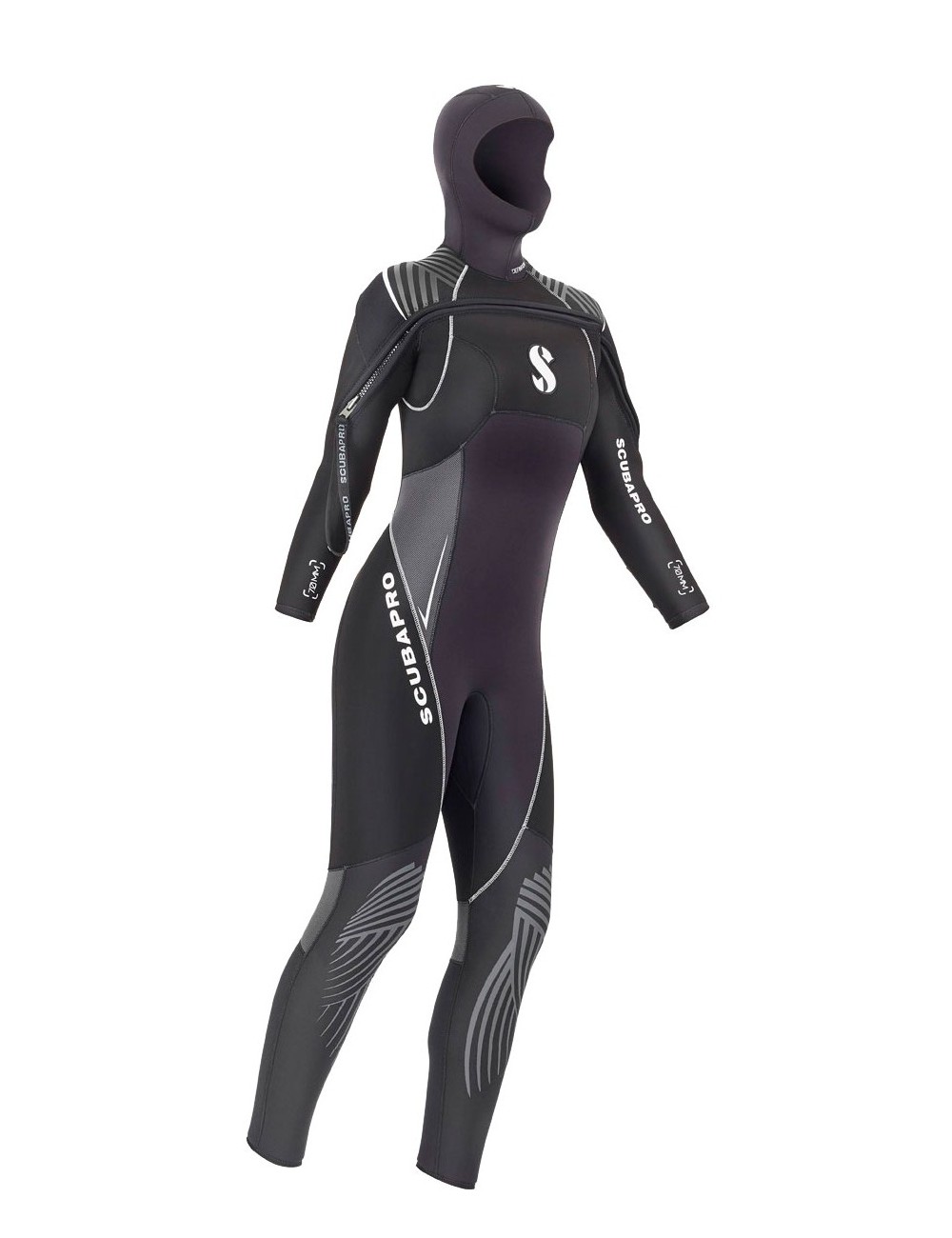
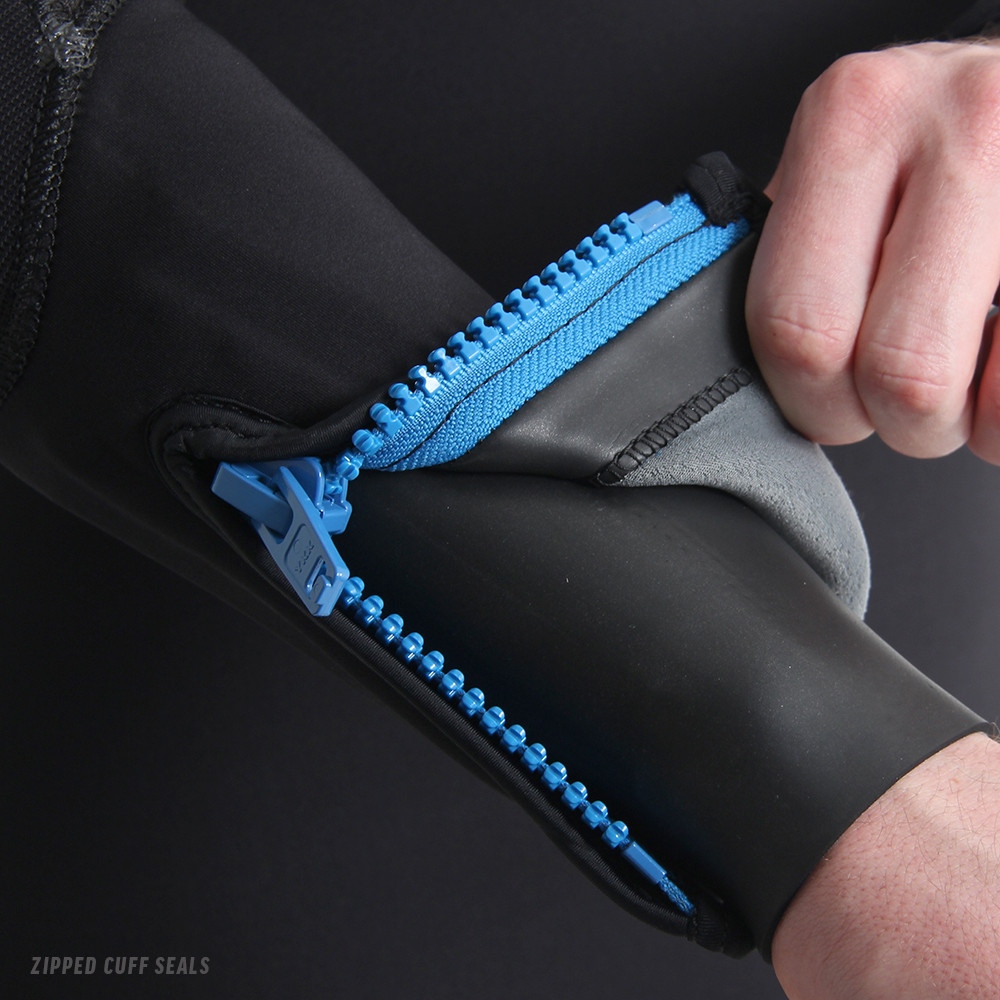

Basically, a semi-dry wetsuit looks similar to a traditional 7mm wetsuit but includes:
-
Waterproof-style zippers (often across the chest or back)
-
Smooth-skin wrist and ankle seals
-
Sometimes internal dams or bibs to reduce water flushing
It doesn’t keep you completely dry like a drysuit, but it dramatically reduces water movement inside the suit.
Is a Semi-Dry a Good Decision?
For many Australian temperate-water divers — yes, absolutely.
It’s particularly good if you:
-
Dive autumn through spring
-
Feel the cold more than others
-
Do longer dives (45–60+ mins)
-
Dive multiple times in one day
-
Spend time on the surface between dives
Around the NSW Central Coast, where winter water can drop to 16–18°C, sometimes lower, a semi-dry is often a smart upgrade over a standard 7mm.
Benefits of a Semi-Dry Wetsuit
1. Significantly Warmer Than a Standard 7mm
A semi-dry can feel 20–40% warmer than a normal 7mm wetsuit.
Why?
-
Less water flushing
-
Better seals
-
Higher-quality neoprene
-
More consistent insulation throughout the dive
Instead of cold water constantly replacing warm water inside the suit, it traps and stabilises warmth.
2. Much More Comfortable on Repetitive Dives
If you’re doing:
-
Boat double dives
-
Trident Club days
-
Courses
-
Or instructing divers
You won’t get that second-dive chill nearly as badly.
3. Less Wind Chill on the Surface
This is a big one.
After your dive at Terrigal Haven or on a boat heading back in — wind across a wet wetsuit can drop your body temperature quickly. Semi-dry seals reduce that evaporative cooling effect.
4. Still Flexible and Simple
Unlike a drysuit:
-
No valves
-
No extra training required
-
No major buoyancy change
-
Less maintenance complexity
It’s a very practical middle ground.
Other Considerations
1. They Are Harder to Get On
Those wrist and ankle seals mean:
-
More effort putting it on
-
More effort taking it off
-
Lubricant or technique sometimes helps
But most divers adapt quickly.
2. They Are More Expensive
You’ll typically pay:
-
$600–$950 AUD for a quality semi-dry
vs -
$350–$600 for a good 7mm wetsuit
But if you dive regularly, the comfort gain is worth it.
3. Buoyancy Considerations
Because they’re often high-quality 7mm neoprene:
-
You may need slightly more weight than a compressed neoprene wetsuit
-
Not dramatically different — just fine-tune during your first dive
Durability – Will They Last?
Yes — if you buy quality.
Semi-dry suits are generally:
-
Built with reinforced knees
-
Stronger stitching
-
More robust zippers
The zipper is the most important component.
If you:
-
Rinse thoroughly
-
Lubricate zipper periodically
-
Store correctly
-
Don’t force the zip
They can last many years.
Poor zipper care is the most common failure point.
How Much Warmer Than a Normal Thick Wetsuit?
Realistically:
-
A semi-dry 7mm can feel similar to an 8–9mm traditional wetsuit
-
For many divers, it delays the “I’m getting cold” moment by 15–30 minutes
For someone doing 60-minute dives at 17°C:
-
A standard 7mm → cold toward the end
-
A semi-dry → comfortable throughout
It won’t match a drysuit — but it’s a serious step up.
Who Should Definitely Consider One?
-
Instructors
-
Divemasters
-
Club regulars
-
Divers doing winter shore dives
-
Anyone who hates finishing a dive early because of cold
Who Might Not Need One?
-
Casual summer-only divers
-
Tropical travel-only divers
-
People who naturally run very warm
Bottom Line for You (NSW Diving Context)
If you're doing consistent diving on the Central Coast and want:
-
Longer bottom times
-
More comfort
-
Less post-dive chill
-
A professional, serious setup
A semi-dry is a very solid decision.
It’s often the “sweet spot” before moving to a drysuit.
Now is the ideal time grab your own semi dry!
Check out our stock in store and don't forget Trident Club members get special pricing......